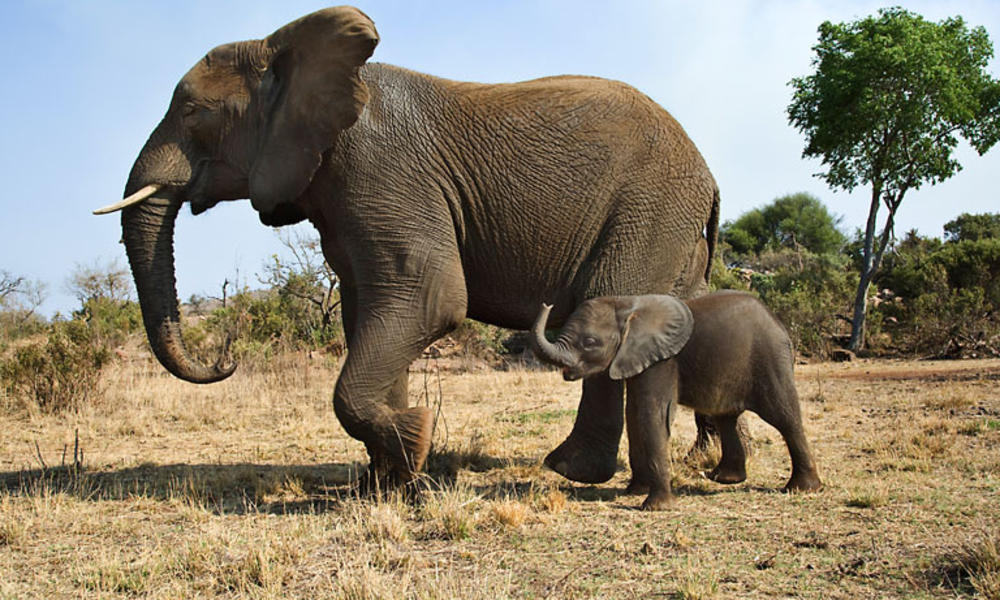
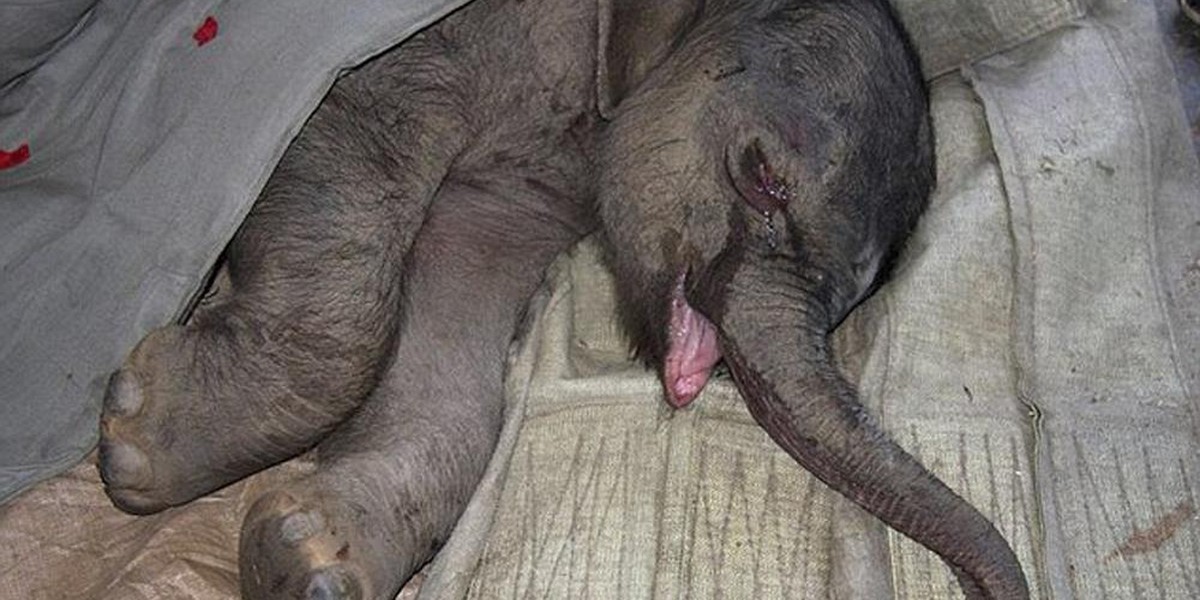
Merino sheep that give birth to twins will often move off after the second one is born, abandoning it to die. The Merino breed originates from Spain and North Africa and this might be an evolutionary response to the low protein value of grazing in that region.The reasons why animals reject or abandon their babies are because the baby is too weak or sick to survive, the mother animal has no idea how to raise a baby, or the mother animal is too weak to raise her babies. It may seem gruesome and unfair, but we have nothing to do with it because that is how nature works. Source: nationalgeographic.com13/03/2015 · If an infant is weak, small or defective, mothers will instinctively abandon or cull the animal to concentrate their resources on the stronger babies that stand a greater chance of surviving. Natural selection has meant that animal mothers reject the weaker offspring to prevent predation by other species and give longevity to their own, bolstering generations of animals to …Why do animal moms reject their babies? Some mothers, through no lack of love, will reject or abandon their offspring shortly after birth. Natural selection has meant that animal mothers reject the weaker offspring to prevent predation by other species and give longevity to their own, bolstering generations of animals to come.Why do animal mothers reject their babies? Some mothers, through no lack of love, will reject or abandon their offspring shortly after birth. Natural selection has meant that animal mothers reject the weaker offspring to prevent predation by other species and give longevity to their own, bolstering generations of animals to come.Answer (1 of 2): I can imagine three reasons for an animal to refuse its newborn. 1. The baby is too weak or sick and won't live for long anyway. I've seen that once. A horse in a riding school refused her newborn foal. Team of stuff and vets worked with them. The foal had an …Why do female animals reject their babies? Natural selection has meant that animal mothers reject the weaker offspring to prevent predation by other species and give longevity to their own, bolstering generations of animals to come. In large, wild mammals, litters are a lot smaller than in domestic animals like cats and dogs.09/01/2022 · Why do animal mothers reject babies? Sometimes it's an act of survival for a mother to reject, abandon, and even cull their own offspring.Natural selection has favoured mothers that provide a great deal of care for their young because, in mammals, the cost of reproduction is relatively high.reject her calf as the aunties provide support and assistance to help her accept the baby. Even severely ill or physically injured calves are seldom rejected unless the mother sees there is no hope in saving it. In captivity, female elephants do not have the support of the aunties, instead humans take the place to provide care. The mother may notWhy do mother animals reject their babies? Some mothers, through no lack of love, will reject or abandon their offspring shortly after birth. Natural selection has meant that animal mothers reject the weaker offspring to prevent predation by other species and give longevity to their own, bolstering generations of animals to come.










Why do animals reject their babies after birth?Why do animals reject their babies after birth?Why would a mom reject her baby?Why would a mom reject her baby?Why do elephants reject their babies?Why do elephants reject their babies?What happens to the offspring of animals when they give birth?What happens to the offspring of animals when they give birth?
Mother and Baby YogaMother and Baby GorillaBaby Elephant with MotherMother and Baby LaughingBaby Boy with MotherMother Baby BrainMother and Baby in HospitalMother Baby PicsMother and Baby LionVictorian Mother and BabyMother and Newborn BabyMother Comforting BabyMother and Baby OwlMuslim Mother and Baby